
Starting a fitness routine often feels confusing, especially when you see so many options available. Low impact fitness classes provide a safe and effective way to begin, but choosing the right one requires careful thought.
Not every class suits every goal. Some focus on flexibility, while others build strength or improve endurance. If you select a class that aligns with your needs, you increase your chances of staying consistent and seeing results.
This article explains how to choose the right low impact fitness classes based on your goals, fitness level, and lifestyle.
What Are Low Impact Fitness Classes?
Low impact fitness classes include exercises that place minimal stress on your joints. These workouts avoid jumping or sudden movements and keep motions controlled and steady.
They suit beginners, older adults, and people recovering from injuries. These classes also work well for anyone who prefers a gentler approach to fitness.
Why Choosing the Right Class Matters
Many people join random classes without thinking about their goals. This often leads to frustration or lack of progress.
When you choose the right class:
You stay motivated
You see better results
You reduce the risk of injury
You build a routine that fits your lifestyle
Making the right choice from the beginning saves time and effort.
Step 1: Identify Your Fitness Goals
Your goals should guide your decision. Each type of class serves a different purpose.
Weight Loss
If you want to lose weight, choose classes that increase your heart rate steadily. Low impact cardio classes or dance-based workouts can help burn calories.
Strength Building
If your goal is to build strength, look for classes that focus on controlled resistance exercises. Pilates and strength-focused sessions work well.
Flexibility and Mobility
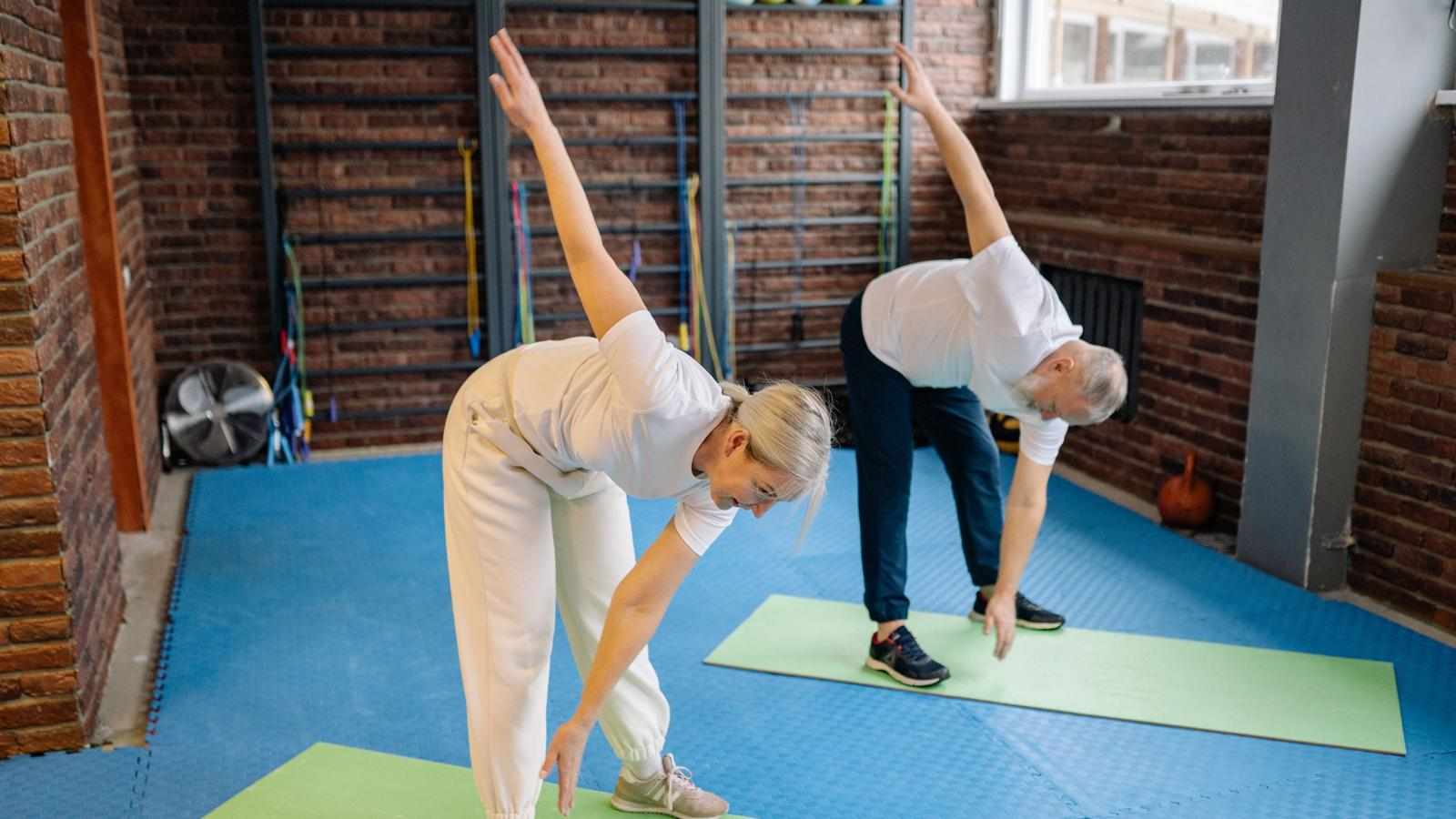
If you want better flexibility, choose classes that include stretching and controlled movements. Yoga is a popular option.
Stress Relief
If you want to relax and reduce stress, select classes that include breathing techniques and slow movements.
Recovery and Rehabilitation
If you are recovering from an injury, choose classes designed for rehabilitation. These focus on gentle movements and proper alignment.
Step 2: Assess Your Current Fitness Level
Your fitness level plays a major role in your choice.
Beginner Level
If you are new to exercise, start with beginner-friendly classes. These sessions include simple movements and clear instructions.
Intermediate Level
If you already have some experience, you can try classes that include slightly more challenging routines.
Physical Limitations
If you have joint pain or other physical concerns, choose classes that provide modifications for different abilities.
Step 3: Choose the Right Type of Class
Different types of low impact classes offer different benefits.
Yoga Classes
Yoga improves flexibility, balance, and mental focus. It includes slow movements and controlled breathing.
Pilates Classes
Pilates focuses on core strength and posture. It uses precise movements to target specific muscles.
Low Impact Cardio Classes
These classes include walking routines or simple aerobic exercises. They improve heart health and stamina.
Water-Based Classes
Water workouts reduce stress on joints. They provide resistance while keeping movements gentle.
Dance-Based Fitness Classes
These classes combine music with easy movements. They make workouts enjoyable and help improve coordination.
Step 4: Consider Your Schedule and Lifestyle
Your routine should fit your daily life. If a class does not match your schedule, you may struggle to stay consistent.
Time Availability
Choose classes that fit your available time. Short sessions may work better if you have a busy schedule.
Location
Decide whether you prefer home workouts or attending a studio. Online classes offer flexibility, while studio sessions provide direct guidance.
Frequency
Start with two to three sessions per week. You can increase frequency as you build stamina.
Step 5: Evaluate the Instructor
The instructor plays a key role in your experience.
Experience and Certification
Choose instructors with proper training and experience. This ensures safe and effective guidance.
Teaching Style
Some instructors focus on strict routines, while others take a more relaxed approach. Choose a style that matches your preference.
Communication Skills
A good instructor explains movements clearly and provides helpful feedback.
Step 6: Check Class Structure
A well-structured class improves your learning experience.
Warm-Up
The class should begin with a warm-up to prepare your body.
Main Workout
The main session should match your goals, whether it focuses on strength, flexibility, or endurance.
Cool Down
A proper cool down helps your body recover and reduces soreness.
Step 7: Look for Progression Opportunities
Your fitness journey should not stay the same. Choose classes that allow gradual progress.
Beginner to Advanced Levels
Look for programs that offer different levels. This allows you to move forward as your fitness improves.
Variety in Workouts
Classes that include different routines prevent boredom and keep you motivated.
Step 8: Try Before You Commit
Many fitness centers and online platforms offer trial sessions.
Attend Trial Classes
Try a few classes before making a decision. This helps you find the right fit.
Evaluate Comfort Level
Pay attention to how you feel during the session. You should feel challenged but not overwhelmed.
Common Mistakes to Avoid in Low Impact Fitness
Avoiding common mistakes in low impact fitness can help you make better choices.
Choosing Based on Trends
Do not select a class just because it is popular. Focus on your personal goals.
Ignoring Your Body’s Signals
If a class causes pain or discomfort, reconsider your choice.
Skipping Research
Take time to learn about the class and instructor before joining.
Expecting Quick Results
Fitness requires patience. Focus on steady progress rather than immediate changes.
Benefits of Choosing the Right Class
When you select the right low impact fitness class, you gain several benefits.
Better Results
You achieve your goals more effectively when your workouts match your needs.
Increased Motivation
Enjoyable workouts help you stay consistent.
Lower Risk of Injury
Properly selected classes reduce strain on your body.
Long-Term Commitment
A suitable routine becomes easier to maintain over time.
How to Stay Consistent After Choosing a Class
Choosing the right class is only the first step. Consistency ensures long-term success.
Set Clear Goals
Define what you want to achieve and track your progress.
Build a Routine
Schedule your workouts and stick to them.
Stay Flexible
Adjust your routine if needed, but avoid skipping sessions frequently.
Celebrate Small Wins
Recognize your progress to stay motivated.
When to Change Your Fitness Class
As your fitness improves, your needs may change.
Signs You Need a New Class
Your workouts feel too easy
You stop seeing progress
You feel bored
Transition Gradually
Move to a slightly more challenging class instead of making sudden changes.
Final Thoughts
Choosing the right low impact fitness class can shape your entire fitness journey. When you align your class with your goals, fitness level, and lifestyle, you create a routine that feels manageable and effective.
Low impact workouts provide a safe starting point for beginners and a sustainable option for long-term health. They help you build strength, improve flexibility, and stay active without placing too much stress on your body.
Take time to evaluate your needs, try different options, and stay consistent. A thoughtful approach leads to better results and a more enjoyable experience.
Many wellness-focused organizations, including Prosperity Rehab, highlight the importance of selecting the right fitness approach. With the right class and mindset, you can build a routine that supports your goals and improves your overall well-being.

Write a comment ...